
Is Paver Sealing Worth It in Southwest Florida? An Honest Answer
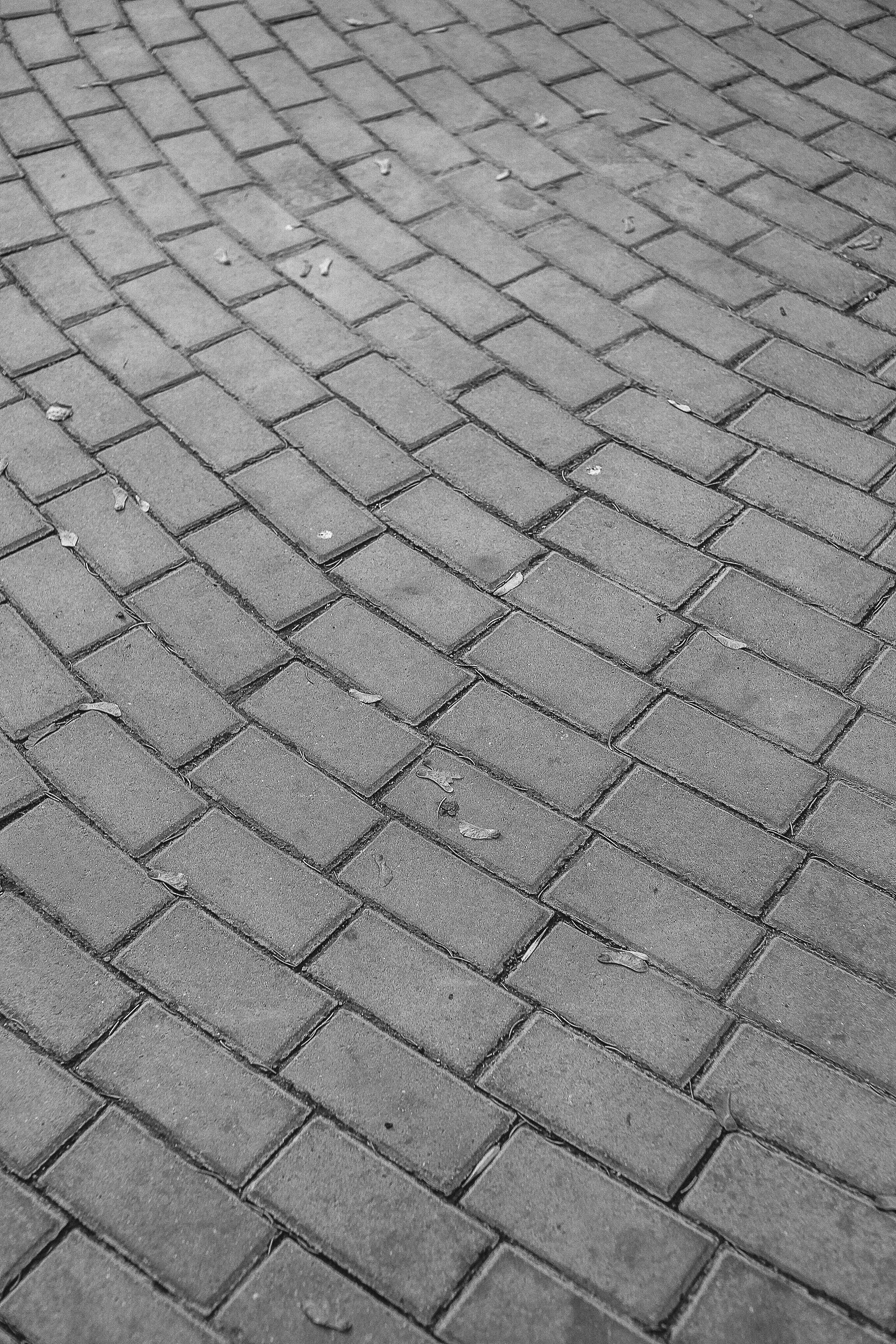
If you live in Southwest Florida and have brick pavers, you’ve probably asked yourself this question at some point:
“Is paver sealing really worth it — or is it just another upsell?”
It’s a fair question. Between the sun, rain, humidity, and constant maintenance, homeowners want real answers — not sales pitches.
Here’s the honest truth, based on Florida conditions and real-world results.
Why Pavers Take a Beating in Southwest Florida
Florida is one of the toughest environments for pavers in the country.
- Intense UV rays fade color quickly
- Heavy rain washes out joint sand
- Humidity feeds weeds, mold, and algae
- Pool chemicals & saltwater stain and break down surfaces
Unsealed pavers are porous. They absorb moisture, oil, dirt, and organic growth. Over time, that leads to fading, stains, loose sand, and surfaces that never quite look clean — even after pressure washing.
What Paver Sealing Actually Does
Paver sealing isn’t just about looks. When done correctly, it:
- Locks joint sand in place
- Helps reduce weed growth
- Protects against UV fading
- Repels oil, rust, and poolside stains
- Makes routine cleaning easier
In short, sealing slows down deterioration caused by Florida’s climate.
What Happens If You Don’t Seal Your Pavers
Skipping sealing doesn’t cause instant failure — but the problems stack up over time.
Homeowners who don’t seal often deal with:
- Constant weed growth between joints
- Sand washing out after heavy rain
- Pavers fading to a dull, chalky color
- Stains that won’t come out
- Frequent pressure washing with short-lived results
Eventually, restoration becomes more expensive than regular maintenance would have been.
Wet Look vs. Natural Look Sealer: What’s the Difference?
This is one of the most common questions homeowners ask.
Wet Look Sealer
- Darkens pavers
- Adds a glossy finish
- Enhances color contrast
- Popular for driveways and patios
Natural Look Sealer
- Protects without changing color
- No added shine
- Ideal for homeowners who prefer a subtle finish
Both options protect your pavers — the choice is purely aesthetic.
How Often Should Pavers Be Sealed in Florida?
In Southwest Florida, most pavers should be resealed every 2 to 3 years.
Factors that affect lifespan:
- Direct sun exposure
- Amount of rainfall
- Pool deck vs driveway use
- Sealer type
Waiting too long allows sand loss and fading to accelerate, which can turn a simple reseal into a full restoration.
Is DIY Paver Sealing Worth It?
DIY sealing seems cheaper — until it isn’t.
Common DIY problems include:
- Uneven sealer application
- Slippery surfaces
- Cloudy or peeling sealer
- Skipped joint sanding
- Sealer failure within months
Professional sealing ensures proper surface prep, correct sand stabilization, and even application — which saves money long-term.
When Paver Sealing Might NOT Be Worth It
Here’s the honest part most companies won’t tell you.
Paver sealing may not be worth it if:
- You plan to replace the pavers soon
- The surface is already severely damaged
- You don’t care about appearance or maintenance
If protection and curb appeal matter, sealing makes sense. If not, it may be an expense you can postpone.
So… Is Paver Sealing Worth It in Southwest Florida?
For most homeowners, yes — especially when compared to the cost of restoration or replacement later.
Paver sealing:
- Extends the life of your pavers
- Reduces ongoing maintenance
- Protects your investment
- Keeps your property looking sharp
In Florida’s climate, sealing isn’t about perfection — it’s about preservation.
Thinking About Sealing Your Pavers?
If you’re unsure whether your pavers need sealing or full restoration, the best next step is a professional evaluation.
A proper assessment will tell you:
- If sealing is needed now
- What finish works best for your surface
- How to avoid unnecessary costs
Still Not Sure If Paver Sealing Is Worth It for Your Home?
The fastest way to find out is with a professional evaluation. We’ll take a look at your pavers, explain your options, and tell you honestly whether sealing makes sense — or if it can wait.
Call 239-823-2537 or request a free, no-pressure estimate here.